What Is Snagging in New Build Homes
To understand professional snagger cost, you first need to know what is snagging. Snagging is a detailed inspection of a new build home. The goal is to identify defects, unfinished work, or items that do not meet building standards. These issues are called snags.
Snags can include uneven walls, poorly fitted doors, damaged fixtures, faulty electrics, or incomplete finishes. Some problems are easy to spot, while others are hidden and only noticed by trained professionals. A snagging inspection takes place before or shortly after you move in, depending on your developer’s process.
A clear snagging report gives builders a list of items that need to be fixed. This helps protect buyers from paying for repairs that should already be covered.
Why Snagging Is Important for Home Buyers
Many buyers assume their developer has already checked everything. In practice, large developments move fast, and mistakes can happen. Snagging provides a second set of expert eyes focused only on your home.
Understanding what is snagging helps buyers avoid stress later. Small defects left unfixed can lead to bigger problems over time. For example, poor sealing around windows can cause damp issues. Loose fittings can lead to damage or safety risks.
A professional snagger works for you, not the builder. Their job is to check quality, compliance, and finish. This gives buyers confidence during handover and helps secure repairs before warranties expire.
What Does a Professional Snagger Do
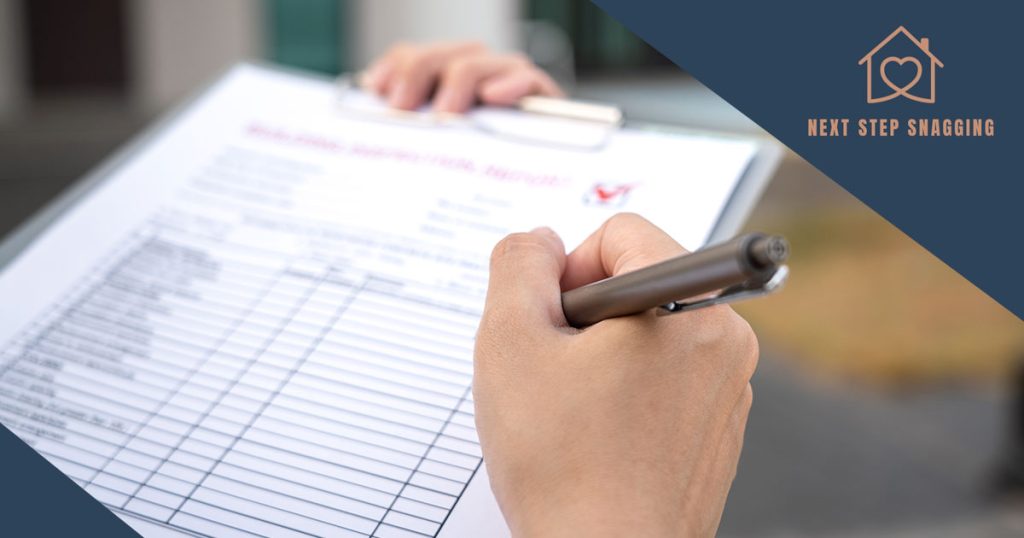
A professional snagger carries out a full inspection using industry knowledge and testing tools. At Next Step Snagging, inspections are based on real construction experience, not checklists alone.
The snagger checks walls, floors, ceilings, doors, windows, kitchens, bathrooms, electrics, plumbing, and external areas. Measurements, photos, and notes are taken to support every finding. This creates a clear report that builders can follow easily.
Knowing what is snagging also means understanding the value of experience. A trained professional knows what is acceptable and what is not. This avoids disputes and speeds up repair work.
Professional Snagger Cost and What Affects the Price
The professional snagger cost can vary depending on several factors. Property size is one of the biggest influences. Larger homes take longer to inspect and usually have more potential snags.
Property type also matters. Flats, houses, and luxury builds all have different inspection needs. Location can affect cost due to travel time and regional pricing differences.
At Next Step Snagging, pricing is clear and based on the level of inspection needed. There are no hidden fees. Buyers receive a detailed report that reflects the time and expertise involved in protecting their home.
Is Professional Snagging Worth the Cost
Many buyers ask if the professional snagger cost is worth paying. In most cases, the answer is yes. The cost of snagging is often far lower than the cost of fixing issues yourself after moving in.
Developers are responsible for resolving defects found during the snagging period. A professional report gives you evidence to support repair requests. Without it, buyers may struggle to prove issues existed at handover.
Understanding what is snagging shows that it is not an extra expense but a safeguard. It helps buyers avoid delays, disputes, and unexpected repair bills.
DIY Snagging vs Professional Snagging
Some buyers try to carry out snagging themselves to save money. While this can help spot obvious issues, many defects are missed without training or tools.
Professional snaggers know where problems commonly occur. They understand building standards and tolerances. This allows them to identify issues that may not be visible to the untrained eye.
When comparing DIY checks to professional snagger cost, it is important to consider risk. Missing key issues can lead to long-term costs that far exceed the price of a professional inspection.
When Should You Book a Snagging Inspection
Timing is an important part of what is snagging. Ideally, snagging should take place before legal completion. This allows issues to be raised before final payment.
Some developers allow pre-completion inspections, while others schedule snagging after handover. Next Step Snagging advises buyers on the best timing based on their situation and developer rules.
Booking early gives you time to review the report and submit it properly. This improves the chance of repairs being completed quickly and correctly.
What Is Included in a Snagging Report
A professional snagging report is a clear document listing all identified issues. Each item includes a description, location, and photographic evidence where needed.
The report is written in plain language so both buyers and builders can understand it. This reduces confusion and speeds up repair work.
Knowing what is snagging also means knowing the value of documentation. A strong report supports warranty claims and protects buyers if issues are disputed later.
Why Experience Matters in Snagging Services
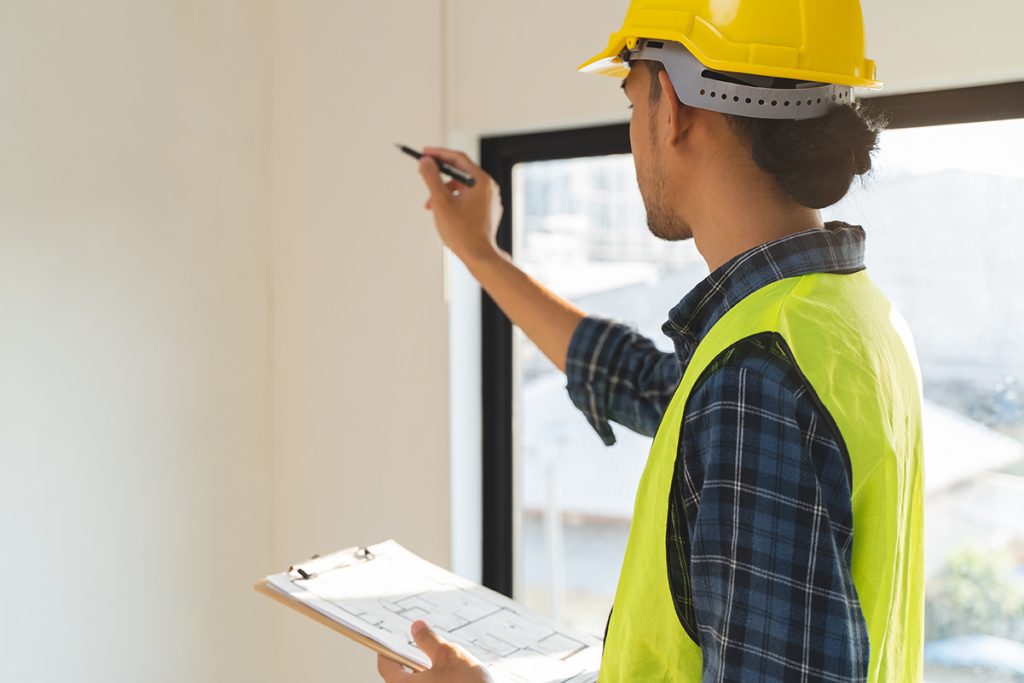
Not all snagging services are the same. Experience in construction and surveying makes a major difference. At Next Step Snagging, Ryan’s background across multiple housing developers brings real insight into build quality.
This experience helps identify patterns, shortcuts, and common faults seen across new builds. It also allows reports to focus on items that truly matter, rather than minor cosmetic points alone.
When reviewing professional snagger cost, buyers should consider the level of expertise behind the service, not just the price.
How Snagging Protects Your Investment
A home is one of the largest purchases most people make. Snagging helps protect that investment from the start. By addressing defects early, buyers avoid future repair costs and maintain property value.
Understanding what is snagging shows that it supports long-term quality. Homes with unresolved defects can wear faster and may face issues during resale.
A professional inspection gives buyers peace of mind and a strong starting point in their new home.
Final Thoughts on Professional Snagger Cost
The professional snagger cost is a small price compared to the protection it provides. Snagging helps buyers secure the standard they paid for and holds developers accountable for quality.
At Next Step Snagging, our focus is simple. We help homeowners receive the finish they deserve. With over ten years of industry experience, we provide clear inspections, detailed reports, and honest advice.
If you are buying a new build and want clarity on what is snagging or pricing, getting expert support early can make all the difference.
Speak to Next Step Snagging Today
If you are preparing for a new home handover, contact Next Step Snagging to discuss your inspection needs. We are here to help you move in with confidence and clarity.